A tennis racket can look perfectly fine and still be working against you. Strings do not need to snap before they lose tension, elasticity and the responsive feeling they had when they were fresh. When that happens, shots can begin to feel inconsistent, control may become harder to find and players sometimes start changing their technique to compensate for equipment that simply needs attention.
Understanding tennis racket stringing in Albuquerque can help you avoid that problem. The right string, tension and restringing schedule can make your racket feel more predictable and better suited to the way you actually play. At High Desert Mobile String Lab, stringing is approached as more than replacing broken strings. It is an opportunity to evaluate what you are currently using and determine whether your setup matches your game.
This article explains the basics so you can make a more informed decision the next time your racket needs fresh strings.
What Tennis Racket Stringing Actually Does
Fresh Strings Restore the Racket’s String Bed
Your strings form the hitting surface that transfers energy between your racket and the tennis ball. Every serve, forehand, volley and backhand places stress on that string bed.
Over time, strings gradually lose tension and elasticity even if they have not broken. High Desert Mobile String Lab specifically notes that worn strings can begin feeling dull or unpredictable before they physically snap.
Restringing removes the old string bed and replaces it with fresh strings installed at a selected tension. The goal is to give the racket a consistent, responsive hitting surface again.
Stringing Can Change How Your Racket Feels
The frame is only one part of how a tennis racket performs. Strings can influence comfort, control, spin potential, durability and overall feel.
The USTA identifies natural gut, nylon-based strings such as multifilaments and polyester as major string categories, with each offering different characteristics. Polyester is generally associated with durability and control, while softer multifilaments tend to provide greater comfort and elasticity.
That means restringing is also an opportunity to adjust your equipment rather than simply recreating your previous setup.

Choosing the Right Tennis String
Polyester, Multifilament and Synthetic Options
There is no single “best” tennis string for every player.
Polyester strings are popular among players who generate faster swings and want durability, control and spin potential. However, polyester typically has a firmer response than softer string materials.
Multifilament strings are designed from many small fibers and generally provide a softer, more comfortable feel. They can be especially appealing to recreational players who prioritize comfort and easy depth.
Synthetic gut is another common option that can provide a practical balance of playability, durability and cost.
The best choice depends on how you play — not simply which string is most expensive.
Your Playing Style Should Guide the Decision
A player who frequently breaks strings may need something very different from someone who plays recreational doubles twice a month.
Think about what you want your current racket to do better. Do you want a softer response? More durability? Better control? More confidence generating spin?
You should also consider your swing speed, how often you play, your current racket and what you liked or disliked about your previous setup.
High Desert Mobile String Lab uses these factors when helping Albuquerque players compare string options rather than treating every racket the same way.
Understanding Tennis Racket String Tension
Higher and Lower Tensions Feel Different
String tension refers to how tightly the strings are installed in the racket, usually measured in pounds.
Traditional tennis guidance generally associates tighter string beds with a firmer response and greater perceived control, while lower tensions can create a softer feel and easier depth. However, the relationship is not as simple as saying higher tension always creates control and lower tension always creates power.
The USTA notes that relatively small changes in tension may not produce dramatic differences for every player. Technique and shot selection still matter much more than a few pounds of tension.
The important goal is finding a tension that feels predictable and comfortable to you.
Start With Your Racket and Current Setup
Most tennis rackets provide a manufacturer-recommended tension range. That range gives you a useful starting point rather than a number you must automatically choose.
If you already like the way your racket plays, keeping a similar setup may make sense. If your racket feels overly stiff, harsh, powerful or difficult to control, changing the string or tension can be worth exploring.
Avoid changing several variables at once whenever possible. If you change string material, gauge and tension simultaneously, it becomes difficult to determine which adjustment caused the difference you feel.

How Often Should You Restring Your Tennis Racket?
Do Not Wait Only for a Broken String
One of the biggest misconceptions about tennis racket maintenance is that strings only need replacement after they break.
Strings begin changing from the moment they are installed. Repeated impacts, string movement, time and normal use gradually affect tension and responsiveness.
Signs that it may be time to restring include a noticeably dull feeling, inconsistent response, reduced control, visible fraying or notching, excessive string movement or simply realizing that your racket no longer feels the way it did with fresh strings.
High Desert Mobile String Lab recommends using changes in feel and performance as important indicators rather than relying only on the calendar.
Your Restringing Schedule Is Personal
There is no perfect restringing interval that applies to every Albuquerque tennis player.
Someone playing several times per week will generally put more wear on a string bed than someone playing occasionally. String breakers may need frequent restringing, while recreational players using durable setups can sometimes go considerably longer.
String material also matters. Your swing style, string pattern, playing frequency and expectations for performance all influence how long a setup feels good.
Instead of searching for one universal number, pay attention to your equipment. Knowing how your racket feels with fresh strings gives you a useful baseline for recognizing when performance begins declining.
Does Albuquerque’s Climate Matter for Tennis Equipment?
Albuquerque Has a Dry, High-Desert Climate
Local conditions are worth considering when caring for tennis equipment.
NOAA describes Albuquerque's climate as arid continental, with abundant sunshine, low humidity, relatively little precipitation and noticeable seasonal temperature variation. These characteristics are part of what makes outdoor tennis possible through much of the year, but they also mean players regularly move equipment between hot vehicles, cool homes, direct sunshine and changing seasonal temperatures.
You do not need a special “Albuquerque string,” but proper equipment storage still matters.
Avoid leaving your racket in extremely hot or cold environments for extended periods when possible.
Weather Can Influence How a Setup Feels
Temperature and environmental conditions can influence how tennis equipment feels on court, especially for players who are sensitive to changes in their string bed.
The USTA has noted that professional racket technicians sometimes make tension adjustments based on weather conditions because players can perceive differences in response.
Recreational players generally do not need to make constant weather-based adjustments. Consistency is more useful. Keep track of your string type and tension when you find a setup you enjoy, and mention noticeable seasonal differences to your stringer if your racket begins feeling significantly different.
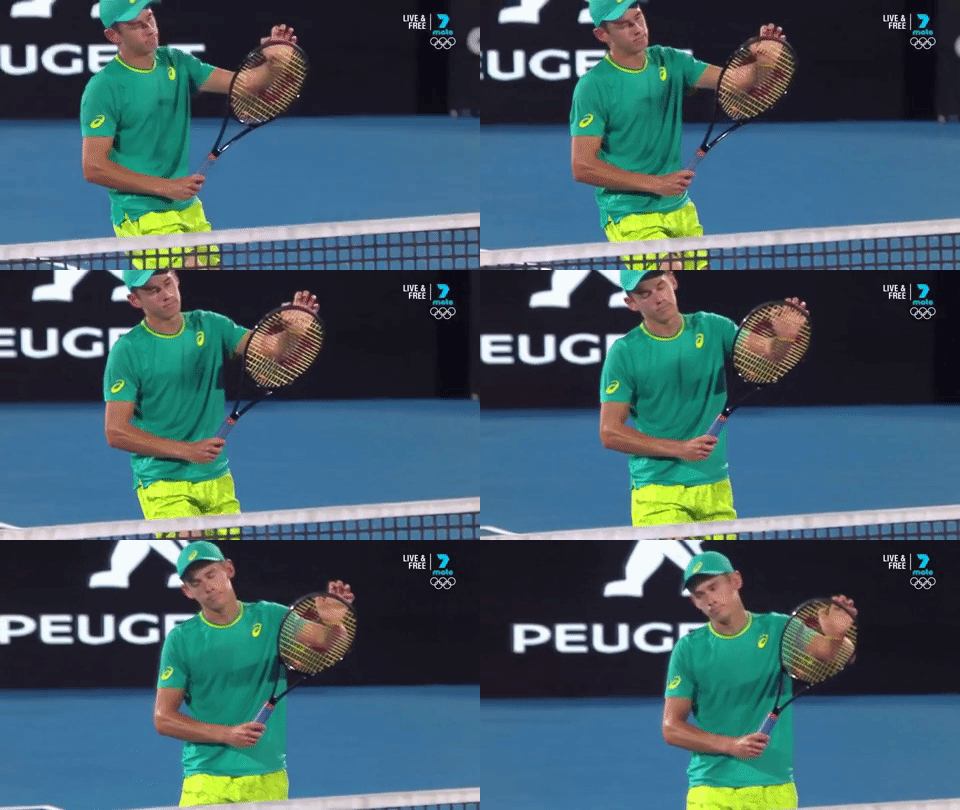
What to Expect From Tennis Racket Stringing in Albuquerque
A Good Stringing Service Starts With Questions
Professional stringing should not begin with someone automatically choosing a string for you.
Useful questions include what racket you use, what string is currently installed, how often you play, whether you frequently break strings, what tension you normally use and what you would like to change about the racket's feel.
High Desert Mobile String Lab uses this consultation approach for tennis racket stringing in Albuquerque, helping players compare string types and tension based on their racket, playing style and preferences.
That information helps turn stringing into an intentional equipment decision rather than simple maintenance.
Keep Track of Setups That Work
Once you find a string and tension combination you enjoy, write it down.
Knowing the exact string, gauge and tension gives you a reliable reference for your next restring. If you eventually want more comfort, control, durability, or a different response, you can make one deliberate adjustment instead of starting from scratch.
That is especially helpful for developing players because your preferences can change as your technique improves.
Tennis Racket Stringing in Albuquerque Should Make Your Equipment Easier to Understand
Focus on Feel, Consistency, and Your Game
The most important thing to understand about tennis racket stringing in Albuquerque is that there is no universal setup every player should use.
Your ideal string and tension depend on your racket, playing frequency, swing style, comfort preferences and what you want from your equipment. Fresh strings can restore a more consistent string bed, but choosing the right setup can also help your racket better match the player you are becoming.
If your racket has started feeling dull, unpredictable, uncomfortable or simply different from when the strings were fresh, your equipment may be part of the problem.
Know Your Next Step
Start by looking at your current strings and thinking about how your racket feels. If you know the existing string and tension, record them. If you do not, that is okay — your playing habits and preferences still provide useful information.
High Desert Mobile String Lab provides professional tennis racket stringing in Albuquerque with personalized guidance on strings and tension. The goal is not to make equipment complicated. It is to help Albuquerque tennis players understand their options, find a setup that makes sense and return to the court with a racket they can trust.